GOT MOLD ?
Don't Take Chances! Call the Top Mold
Remediation Company in Issaquah and get cleaned up FAST!



Why Choose Us?
- Certified Pros
- Available 24/7/365
- Rapid Response
- Fully Licensed And Insured
- We Work With Your Insurance Company
Call Now (425) 217-5350
Issaquah Mold Remediation Services
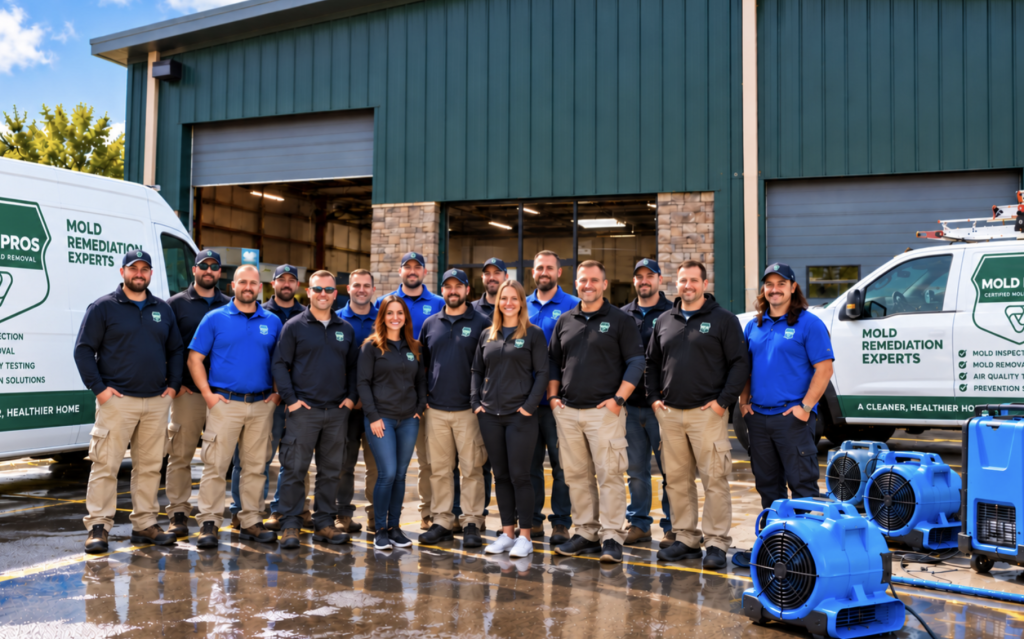
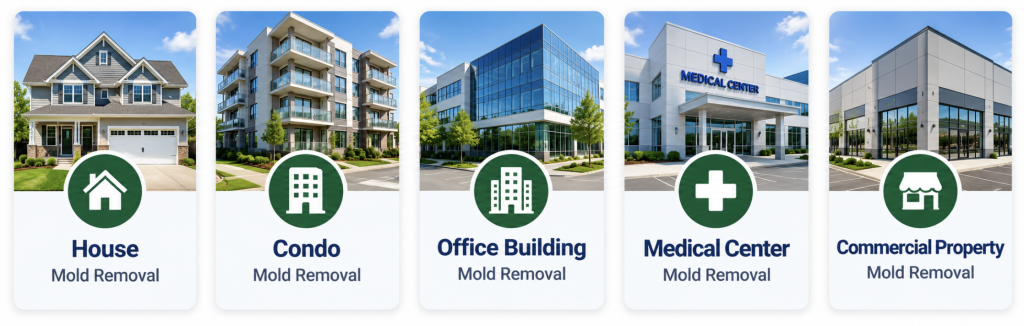
Issaquah Mold Remediation Pros helps homeowners and businesses address mold after leaks, flooding, or persistent dampness. We look at the affected materials and the moisture source before recommending cleanup. Our work may include containment, HEPA air filtration, drying, and removal of damaged porous materials. We serve homes, apartments, condos, offices, schools, churches, medical facilities, retail properties, and industrial spaces. If mold is affecting your property, we’ll help you understand what needs attention and what happens next.
Why Issaquah properties develop mold concerns
Winter rain and occasional heavy storms can expose drainage weaknesses around a building. Soil that slopes toward the structure directs water toward foundations and lower walls. Short downspouts or clogged gutters can add to the problem. After a storm, check whether water collects beside the building instead of moving away from it.
Appliance leaks often begin behind equipment where they remain unseen. Washing machines, dishwashers, refrigerator lines, and water heaters can wet flooring or nearby drywall. A small leak can continue long after the visible water disappears. Move carefully around the appliance and avoid covering stained materials with paint.
Bathrooms need exhaust fans that move moist air outdoors. A missing, weak, or unused fan leaves shower moisture on ceilings and walls. Repeated dampness can affect paint, drywall, trim, and nearby framing. Run the fan during showers and for a short period afterward while you arrange further help if staining continues.
Plumbing leaks inside walls can stay hidden until odors, staining, or soft materials appear. Slow supply-line, drain, or fitting leaks often affect drywall and framing out of sight. Opening a wall without a plan can spread dust and leave the moisture source unresolved. Shut off the nearby water supply when possible and avoid disturbing visibly affected materials.
How we help with mold and moisture problems
Our service begins with a visual assessment of the affected area and the conditions around it. We look for visible growth, water-damaged materials, and signs that moisture is still active. Containment means using plastic walls or barriers to keep mold dust from spreading into clean areas. HEPA air scrubbers filter fine particles from the work air while cleanup is underway.
Mold remediation is more than wiping a surface and applying paint. We clean suitable materials, remove porous items that cannot be reliably cleaned, and address the moisture issue that allowed the problem to develop. Drywall, carpet, and insulation can soak up water and often require different decisions than hard, cleanable surfaces. We keep the work focused on the affected area instead of disturbing materials without a reason.
Residential work may involve a bathroom, kitchen, attic, crawl space, wall, or floor. Commercial work requires attention to occupants, access, and the way the affected area connects to daily operations. We work with property owners and managers to define the work area before cleanup begins. For a closer look at containment, removal, timing, and project factors, visit our mold removal and remediation service page.
What property owners can expect from us
We are IICRC certified, and our company is BBB registered. Those credentials are part of how we approach careful, documented work. We explain visible conditions in plain language and identify questions that need further review. You should receive a service conversation focused on your property, not a generic promise about every mold situation.
Costs vary with affected materials, work-area size, containment needs, access, and the moisture source. An inspection is needed before a final scope and price can be provided. A small surface area does not always mean a small project if materials are porous or the source remains active. We will use the observed conditions to explain what the work includes before cleanup begins.
Do not cut into walls, sand affected surfaces, or paint over staining before the moisture issue is understood. Keep people away from visibly affected areas, especially while materials are being disturbed. If active water is present, stop the source only if you can do so safely. Our mold warning signs guide explains what to watch for and when independent assessment can help with identification or documentation.
Serving Issaquah homes and local businesses
We serve properties across Issaquah, including areas around Downtown Issaquah, Victorian Square, the Spanish Springs area, and the Wingfield Springs area. Local service also means paying attention to how rain, drainage, building openings, and mechanical systems affect a specific property. A building near a drainage problem needs different moisture questions than a unit with a slow appliance leak. We use the conditions at the property to guide the conversation.
Our service area includes homes, apartments, and condos as well as offices, schools, churches, medical facilities, retail properties, and industrial buildings. Occupied spaces need careful control of dust and access during cleanup. Vacant spaces still need attention because small leaks can continue unnoticed. Property owners and managers should document visible damage and protect unaffected areas while arranging an assessment.
If you’re ready to discuss a mold concern, call (425) 217-5350. We’ll ask what you noticed, where it is located, and whether water is still present. We can then explain what information is useful before an inspection and what the first visit is intended to determine. Please stop active water first when it is safe to do so.
Frequently Asked Questions
Do you work on both residential and commercial properties?
Yes, we serve homes and commercial properties in the local service area. Our work includes apartments, condos, offices, schools, churches, medical facilities, retail properties, and industrial spaces. The affected area, access needs, and occupancy will shape the work plan. We discuss those conditions before defining the cleanup scope.
Can you provide a final mold remediation price before seeing the property?
No, a final scope and price require an inspection of the affected property. Costs vary with materials, work-area size, containment needs, access, and the moisture source. Hidden damage can change the work needed after visible conditions are reviewed. We use the inspection findings to explain the proposed work and related cost factors.
Should I clean visible mold myself?
Small surface marks should not be scrubbed if the moisture source is still active or the material is damaged. Cutting, sanding, or disturbing affected materials can spread dust into nearby areas. Keep people away from the space and stop safe-to-control water sources first. Our warning signs guide can help you organize observations before seeking professional help.
Does mold always mean the property has a major problem?
No, visible mold does not automatically show how large the affected area is. The extent depends on the moisture source, the materials involved, and whether moisture reached hidden spaces. Porous materials can hold water below the surface even when they look only lightly stained. An inspection helps separate a limited surface concern from a wider moisture problem.