Black Mold?
Don't Take Chances! Call the Top Black
Removal Company in Issaquah and get cleaned up FAST!



Why Choose Us?
- Certified Pros
- Available 24/7/365
- Rapid Response
- Fully Licensed And Insured
- We Work With Your Insurance Company
Call Now (425) 217-5350
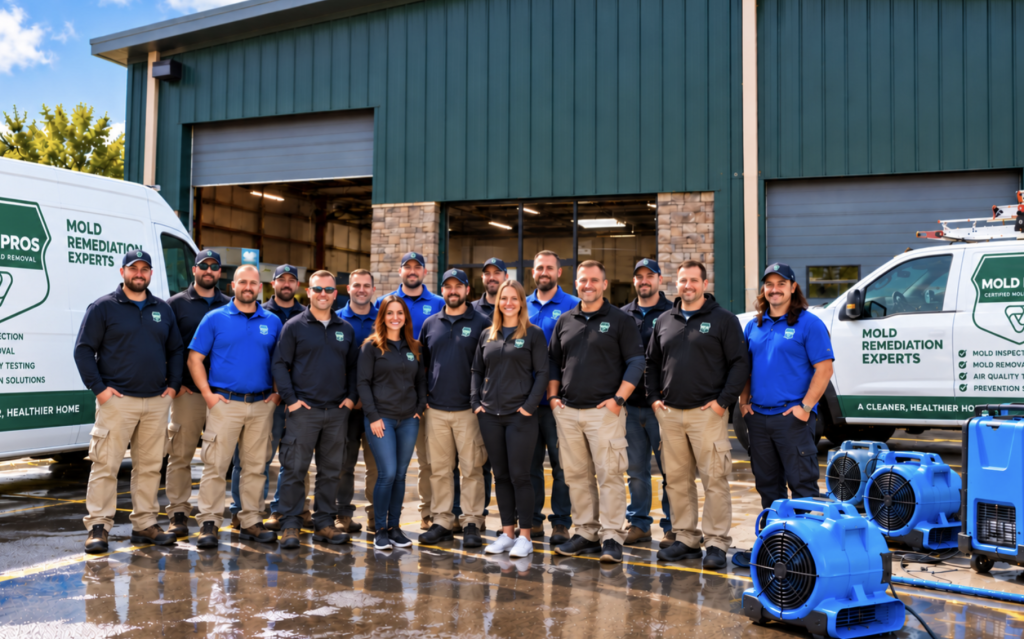
Black Mold Removal in Issaquah, Washington
Mold growth often points to a moisture problem that needs more than surface wiping. Our team helps homeowners, landlords, and facility managers address affected materials and the conditions that allowed growth. We look at the work area, protect unaffected spaces, and separate cleaning from removal. The plan changes when mold involves drywall, insulation, carpet, framing, or a crawl space. You’ll receive practical guidance about the work area, material handling, and the limits of remediation.
What Happens During Mold Removal?
We begin by discussing what you noticed, when it appeared, and whether a leak or damp condition preceded it. The first visit focuses on visible conditions, affected materials, moisture sources, and access to the work area. We do not perform mold testing, so independent testing or assessment is useful when the extent or type of a problem needs separate documentation. Our mold warning signs guide explains testing questions, safety concerns, and early steps in more detail.
Next, we define the area that needs protection and decide which materials require cleaning or removal. Containment means plastic walls or barriers that help keep mold dust from spreading into clean rooms. A HEPA air scrubber filters fine particles from the air while work is underway. Source control remains essential because cleaning mold without addressing moisture invites recurrence.
Work conditions vary by building and by material. Drywall, insulation, carpet, and other porous materials soak up water and often require careful removal when growth or contamination reaches them. Concrete, tile, and some framing surfaces are less absorbent, so cleaning may be possible when their condition allows it. We use appropriate protective equipment and control dust during removal instead of disturbing affected materials without a plan.
What’s Included in Mold Remediation?
Our mold remediation scope centers on controlling the work area, addressing affected materials, and cleaning surfaces that are suitable for restoration. The exact tasks follow the observed conditions and the moisture source. A small bathroom wall and a damp crawl space require different preparation. The work may include the following steps:
- Protecting nearby unaffected areas with containment barriers and controlled access.
- Using HEPA filtration and careful work practices to limit airborne dust.
- Removing affected porous materials such as drywall, insulation, carpet, or damaged padding when cleaning is not suitable.
- Cleaning appropriate hard surfaces, including selected concrete, tile, or framing surfaces.
- Bagging and moving removed materials in a controlled manner.
- Identifying moisture contributors such as leaks, condensation, poor ventilation, drainage problems, or crawl-space dampness.
Removal does not always mean every material in a room must be discarded. Affected drywall often has a different decision than a concrete foundation wall or a cleanable tile surface. Carpet and insulation frequently hold moisture below the visible surface, which makes surface treatment alone unreliable. Framing and subflooring need careful evaluation because hidden dampness can remain after the top layer looks dry.
What’s Not Included in Mold Remediation?
Mold remediation is focused on removing or cleaning affected materials and controlling the source of indoor mold. It does not automatically include full rebuilding, finish carpentry, painting, flooring replacement, or major roof and plumbing repairs. Those projects follow after the affected area is safe and dry enough for reconstruction. We do not assume that cosmetic restoration is part of the remediation scope.
- Rebuilding walls, ceilings, cabinets, or finished floors after removal.
- Major roof, gutter, foundation, plumbing, electrical, or ventilation repairs.
- Replacing furnishings or personal belongings that were damaged by moisture.
- Independent mold testing, laboratory analysis, or species identification.
Some repairs still need attention before or during remediation. A leaking supply line, failed roof flashing, blocked gutter, or wet crawl space must stop adding moisture. In other cases, a property owner’s contractor handles the repair while we address mold-affected materials. Permit questions also vary by jurisdiction, so the City of Issaquah Permit Center is a useful resource for properties inside city limits.
How Do Issaquah Properties Shape the Work?
Issaquah buildings face moisture patterns that differ from dry inland markets. Wet fall, winter, and spring conditions increase the importance of roof drainage, exterior grading, crawl-space control, and ventilation. Properties near local waterways or other drainage corridors need property-specific flood screening rather than a general assumption about risk. King County’s flood warning system can help residents monitor local water conditions.
Crawl spaces deserve close attention because exposed soil, missing vapor barriers, drainage problems, and limited airflow hold moisture below the living area. Hillside properties may direct runoff toward foundation walls, while valley-floor lots may experience different drainage pressure after heavy rain. Newer planned communities and older homes also present different wall, roof, and ventilation details. These differences affect where we look and which materials require protection.
Some postal addresses use Issaquah while falling outside the incorporated city, so permit and building questions should be checked by jurisdiction. The City of Issaquah handles city building and stormwater information for properties inside its boundaries. The state Department of Labor and Industries also provides a contractor verification tool for registration, bond, and insurance information. These resources help you check project requirements and contractor details before work begins.
How Do Materials Change the Removal Plan?
Drywall is porous and often needs removal when water has reached its paper face or wall cavity. Insulation can trap dampness and mold behind finished surfaces, especially in exterior walls, attics, and crawl spaces. Carpet and pad hold moisture near the floor and may hide affected subflooring. These materials usually require more careful isolation than a hard, nonabsorbent surface.
Concrete and tile are not automatically free of concern because joints, cracks, adhesives, and nearby wall materials still hold moisture. Wood framing and subflooring need attention when leaks lasted long enough to soak the assembly. Attic work also requires checking whether a bathroom or dryer vent releases moist air into the space. We avoid painting over visible growth because paint does not correct moisture or remove affected material.
People often use the phrase black mold for dark growth, but color alone does not identify a species. Dark, green, gray, or light growth still requires the same basic questions about moisture, material, and safe work practices. Health concerns vary by person and should be discussed with a doctor or public-health professional. The state health department provides general mold guidance for larger, hidden, structural, or sewage-related contamination.
What Affects Cost, Access, and Occupancy?
Actual mold remediation costs vary based on affected materials, work-area size, containment needs, access, and the moisture source. An inspection is needed before a final scope and price can be provided. A visible patch on one wall differs from mold inside a wall cavity, crawl space, attic, or subfloor. Removal, disposal, HEPA filtration, and protection needs also affect the project scope.
Access matters because tight crawl spaces, finished rooms, stored belongings, and occupied commercial areas require more planning. A small contained area may allow normal use of other rooms, while larger or more open work zones need stronger separation. Occupants should follow the work-area instructions and keep children, pets, and unprotected people away from active work. We discuss these boundaries before work begins rather than making a blanket promise about occupancy.
Homes, apartments, condos, offices, schools, churches, medical facilities, retail properties, and industrial buildings do not share the same operating needs. Commercial work often requires attention to staff movement, customers, shared ventilation, and business hours. Multifamily buildings also require careful separation between units and common areas. The affected location and building use guide the work plan more than the property label alone.
What Can Cause Mold Problems in Issaquah Properties?
We provide mold remediation for residential and commercial properties in Issaquah and nearby Eastside communities. Our listed credentials include IICRC certified service and good standing with the BBB. We keep the discussion focused on moisture, affected materials, containment, and the work needed for the specific area. We do not diagnose species or promise a health outcome.
Before work starts, gather any leak details, photos, repair records, and information about areas that stay damp. Shut off an active water source if it is safe to do so, and avoid cutting into walls or pulling up flooring without guidance. Do not use fans to spread air from a visibly affected area into clean rooms. These simple steps help limit disturbance while the scope is being considered.
Call (425) 217-5350 to discuss what you found and where the moisture appeared. We’ll ask about the affected room, materials, leak history, and access conditions. We can explain what information helps us evaluate the remediation scope before scheduling work. If water is still entering the building, shut it off or stop the source first when safe, then tell us about the active moisture.
Frequently Asked Questions
Does mold removal include cleaning and material removal?
It may include both, because different materials respond differently to moisture and mold growth. Hard surfaces are often evaluated for suitable cleaning, while porous drywall, insulation, carpet, or padding may require removal. The work area also needs containment and dust control. The final scope follows the observed condition rather than the color or size of a visible spot.
Should I leave my home during mold remediation?
Occupancy depends on the work area, containment, building layout, and the materials involved. A contained room does not automatically mean the entire home must be vacant. People should stay out of active work zones and follow instructions about doors, ventilation, and pets. Ask about occupancy before work begins if anyone in the property has special health concerns.
Will mold come back after remediation?
Mold growth can return if moisture remains or new water enters the building. Common Issaquah moisture sources include roof and flashing failures, poor drainage, crawl-space dampness, plumbing leaks, and indoor condensation. Repairs and ventilation improvements help reduce the chance of recurrence. Remediation addresses affected materials, but ongoing building maintenance remains part of moisture control.
Do I need a permit for mold remediation in Issaquah?
Permit needs depend on the repair or alteration involved and the property’s jurisdiction. Properties inside city limits should be checked with the City of Issaquah Permit Center. A postal Issaquah address does not always identify the governing agency. Ask about permits when remediation includes structural changes, reconstruction, or other regulated work.